
New evidence finds global warming triggers stronger Atlantic hurricanes

authordefault
on

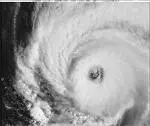
Scientists at University of Wisconsin-Madison and the National Climatic Data Center (NCDC) of the National Oceanic and Atmospheric Administration reported the finding in the journal Geophysical Researchย Letters.

โ€œThe debate is not about scientific methods, but instead centers around the quality of hurricane data,โ€ says lead author James Kossin, a research scientist at UW-Madison’s Cooperative Institute for Meteorological Satellite Studies. Kossin and his colleagues had to smooth out the data before exploring interplay between warmer temperatures and hurricane activity, essentially simplifying newer satellite information to align it with olderย records.

Sea-surface temperatures may be why greenhouse gases are exacting a unique toll on the Atlantic Ocean, says Kossin. Hurricanes need temperatures of around 27 degrees Celsius (81 degrees Fahrenheit) to gather steam. On average, the Atlantic’s surface is slightly colder than that but other oceans, such as the Western Pacific, are naturally muchย warmer.

Related Posts

on

Ofgem has rejected calls for household energy debts to be paid off using excess profits.

Ofgem has rejected calls for household energy debts to be paid off using excess profits.
on

Former fracking magnate Gwyn Morgan has funnelled millions to right-wing media and think tanks, a DeSmog analysis reveals.

Former fracking magnate Gwyn Morgan has funnelled millions to right-wing media and think tanks, a DeSmog analysis reveals.
on

Dan McTeague cultivates a media image as a consumer advocate while running a group urging people to fight against climate policies.

Dan McTeague cultivates a media image as a consumer advocate while running a group urging people to fight against climate policies.
on

Industry groups warn of โ€œsupply shocksโ€ as energy shortages grow, but critics say targeting the EUโ€™s methane rule would lock in polluting U.S. fossil-fuel infrastructure at a dire cost to local and global communities.

Industry groups warn of โ€œsupply shocksโ€ as energy shortages grow, but critics say targeting the EUโ€™s methane rule would lock in polluting U.S. fossil-fuel infrastructure at a dire cost to local and global communities.