ExMo Chief: energy independence is "isolationist"

authordefault
onNov 13, 2007 @ 12:24 PST

On the same day Hilary Clinton released her plan to reduce the US addiction to foreign oil imports and significantly reduce greenhouse gas emissions, the CEO of the largest oil company in the world is balking at the pursuit for energyย independence.

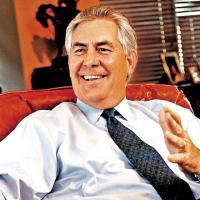
Rex Tillerson, chairman and chief executive of Exxon Mobil, has hit out at โ€œisolationismโ€ in energy policy (full article is firewalled) arguing that attempts to pursue energy independence are futile andย counter-productive.

According to the US Department of Energy Information, ExxonMobil is the second largest exporter of crude oil to the United States originating from the Persianย Gulf.

Tillerson statedย that:

Regardless, no conceivable combination of demand moderation or domestic supply development can realistically close the gap and eliminate Americans’ need for imports.โ€Tilerson’s remarks, made at the World Energy Congress in Rome, provided support for calls from Opec, the oil producers’ cartel, for what the group calls โ€œsecurity ofย demandโ€.

Like what you read on DeSmogBlog? Subscribe to our RSS feed here.

ย 

authordefault
Admin's short bio, lorem ipsum dolor sit amet consectetur adipisicing elit. Voluptate maxime officiis sed aliquam! Lorem ipsum dolor sit amet consectetur adipisicing elit.

Related Posts

onNov 28, 2025 @ 03:02 PST

The Labour peer called for new coal power in the Global Warming Policy Foundationโ€™s annual lecture.

The Labour peer called for new coal power in the Global Warming Policy Foundationโ€™s annual lecture.
Opinion
onNov 27, 2025 @ 06:38 PST

Blunt communication is our firewall.

Blunt communication is our firewall.
onNov 25, 2025 @ 22:00 PST

The programme is โ€œyet another bung to industrial productionโ€, experts say.

The programme is โ€œyet another bung to industrial productionโ€, experts say.
Analysis
onNov 24, 2025 @ 09:00 PST

Critics say new LNG ventures in British Columbia saddle Indigenous communities with debt, opaque ownership structures, and financial risk that could leave them owing billions.

Critics say new LNG ventures in British Columbia saddle Indigenous communities with debt, opaque ownership structures, and financial risk that could leave them owing billions.