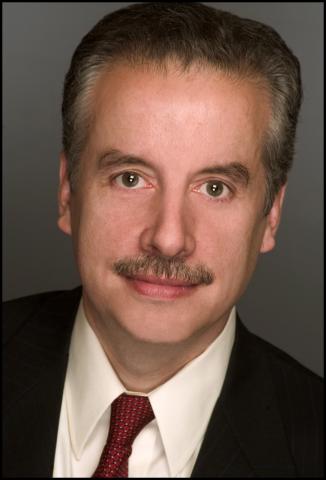
Tom Borelli: Hastening the End of the World

authordefault
on

You have to wonder what happened to Tom Borelli. Hereโ€™s a guy who studied at the New York Medical College – who was smart enough and hard-working enough to get a PHD in biochemistry – and now he spends his time trying to hasten โ€ฆ not really the end of the world, but an end to humanย habitability.

Of course, poisoning humans, rather than saving them, appears to have been Borelliโ€™s life work. He was a Philip Morris operative in the โ€™90s, proudly fighting for the rights of tobacco fans to blow smoke in the face of passing children – passing anybody, really. Now, as sometimes-DeSmogBlog contributor Kate Sheppard documents here, Borelli is gathering up oil money to finance an attack on any corporation that promotes responsible action on climateย change.

Tom, we really hope you have a nice house. Because, according to Dante at least, in your next life, you will get a rather less fabulous choice of neighborhoods: either the Eighth and Ninth circle of hell (Fraud or Treachery).

Related Posts

on

Record LNG exports to Europe pushing up prices for U.S. consumers even more than forecast.

Record LNG exports to Europe pushing up prices for U.S. consumers even more than forecast.
on

Off-shore industrial boats illegally harvest thousands of tonnes of small fish vital to the marine food web in Guinea-Bissau, a DeSmog investigation with The Guardian reveals.

Off-shore industrial boats illegally harvest thousands of tonnes of small fish vital to the marine food web in Guinea-Bissau, a DeSmog investigation with The Guardian reveals.
Analysis
on

First Nations are furious, environmentalists feel betrayed, oil companies are demanding more, and the clock is ticking.

First Nations are furious, environmentalists feel betrayed, oil companies are demanding more, and the clock is ticking.
on

The Mailโ€™s events business in the Middle East provides a quarter of its revenue. A previous Telegraph bid was rejected over petrostate influence fears.

The Mailโ€™s events business in the Middle East provides a quarter of its revenue. A previous Telegraph bid was rejected over petrostate influence fears.