
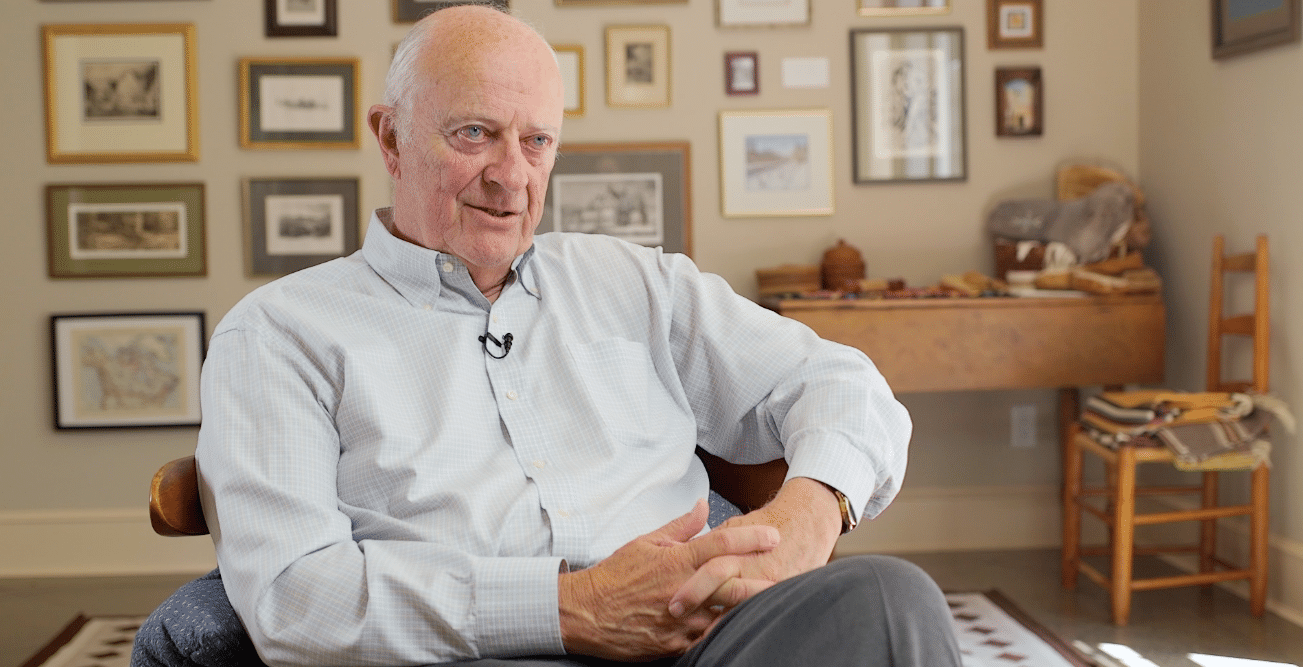
A new video released today by DeSmog Canada features an exclusive video interview with Harry Swain, chair of the federal-provincial panel tasked with reviewing the controversial Site C dam.
“
Since 2005, domestic demand for electricity in B.C. has been essentially flat, making it difficult to justify the dam which will flood 107 kilometres of the Peace River and destroy thousands of hectares of prime agricultural land.
“There is no need for Site C,” Swain says. “If there was a need, we could meet it with a variety of other renewable and smaller scale sources.”
With a price tag of $8.8 billion, Site C dam is the most expensive public infrastructure project in B.C.’s history. The joint review panel that Swain chaired found demand for the power had not been proven and called for the project to be reviewed by the B.C. Utilities Commission — a recommendation the B.C. government ignored.
Swain first spoke out about the Site C dam last year, but this is the first video interview on the subject with the former deputy minister of Indian and Northern Affairs.
“The provinces have the responsibility for the management of natural resources. I don’t think British Columbia has done its job,” Swain says, referring to B.C.’s failure to investigate alternatives to the Site C dam.
EXCLUSIVE video: review chair says there’s no need for #SiteC https://t.co/HWLbWAhNiJ #bcpoli @christyclarkbc pic.twitter.com/5Cc1pprN4t
— DeSmog Canada (@DeSmogCanada) June 21, 2016
Three Decades and Counting: How B.C. Has Failed to Investigate Alternatives to Site C Dam
Swain outlined the economic case against the dam in an opinion piece in the Vancouver Sun on Friday.
The new DeSmog Canada video also features interviews with residents of the Peace River Valley.
“We have to get away from this 1960s mentality of building large hydroelectric dams,” says farmer Ken Boon. “All you have to do is look around the world. They’ve come to their senses. They’re tearing them out.”
School teacher and mother of three Carolyn Beam says it’s not possible for BC Hydro to compensate her family for the loss of their home.
“I’d hate to have to tell my children in the future why we lost what we lost,” Beam says.
Field of Dreams: Meet the Peace Valley’s Farmers and Ranchers
The Royal Society of Canada recently called on the Prime Minister to halt construction on the project until after First Nations concerns have been heard, but the feds are so far trying to side step the issue.
For construction to continue on the Site C dam, the federal government must issue permits. But Prime Minister Trudeau vowed to start a new relationship with Canada’s indigenous peoples and two First Nations are challenging the dam in court.
Trudeau also recently signed on to the UN Declaration on the Rights of Indigenous Peoples, which states indigenous peoples must give “free, prior and informed consent.”
B.C. Premier Christy Clark has vowed to get the dam “past the point of no return.”
Civil society organizations like Amnesty International, the David Suzuki Foundation and LeadNow are all calling on the federal government to halt construction.