Nature Weighs in on Email Controversy

authordefault
on

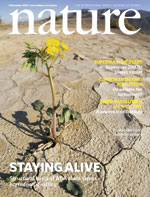
The journal Nature, unquestionably one of the most credible sources in science today, weighed in yesterday with an editorial on the hacked email controversy. Itโ€™sย conclusion:

โ€œIn the end, what the UEA (University of East Anglia) e-mails really show is that scientists are human beings โ€” and that unrelenting opposition to their work can goad them to the limits of tolerance, and tempt them to act in ways that undermine scientific values. Yet it is precisely in such circumstances that researchers should strive to act and communicate professionally, and make their data and methods available to others, lest they provide their worst critics with ammunition. After all, the pressures the UEA e-mailers experienced may be nothing compared with what will emerge as the United States debates a climate bill next year, and denialists use every means at their disposal to undermine trust in scientists andย science.โ€

Related Posts

on

Record LNG exports to Europe pushing up prices for U.S. consumers even more than forecast.

Record LNG exports to Europe pushing up prices for U.S. consumers even more than forecast.
on

Off-shore industrial boats illegally harvest thousands of tonnes of small fish vital to the marine food web in Guinea-Bissau, a DeSmog investigation with The Guardian reveals.

Off-shore industrial boats illegally harvest thousands of tonnes of small fish vital to the marine food web in Guinea-Bissau, a DeSmog investigation with The Guardian reveals.
Analysis
on

First Nations are furious, environmentalists feel betrayed, oil companies are demanding more, and the clock is ticking.

First Nations are furious, environmentalists feel betrayed, oil companies are demanding more, and the clock is ticking.
on

The Mailโ€™s events business in the Middle East provides a quarter of its revenue. A previous Telegraph bid was rejected over petrostate influence fears.

The Mailโ€™s events business in the Middle East provides a quarter of its revenue. A previous Telegraph bid was rejected over petrostate influence fears.