Hurricanes on the Rise?

authordefault
onJul 30, 2007 @ 10:56 PDT

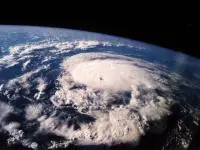
A new study published by Greg Holland of the National Center for Atmospheric Research and Peter Webster of Georgia Institute of Technology has found that the number of hurricanes in the past 100 years has doubled. Altered wind patterns and rising surface sea temperatures (SST‘s) caused by global warming are the culprits. The team studied hurricane frequency from 1900 to 2005 and found 3 distinct periods in which hurricane activity increased sharply and thenย stabilized.

Debate does exist however, around the accuracy of the reporting based on the data available in the early part of the 20th century. National Hurricane Center’s Chris Landsea suggests that hurricane data gathering was less sophisticated in the early 1900’s and did not account for storms that didn’t touch land. By accounting for those activities, the sharp increases, he argues, may not actuallyย exist.

We don’t have the answer to this one but we offer friend of DeSmogBlog and scientific journalist Chris Mooney’s take on theย debate.

authordefault
Admin's short bio, lorem ipsum dolor sit amet consectetur adipisicing elit. Voluptate maxime officiis sed aliquam! Lorem ipsum dolor sit amet consectetur adipisicing elit.

Related Posts

onNov 28, 2025 @ 03:02 PST

The Labour peer called for new coal power in the Global Warming Policy Foundationโ€™s annual lecture.

The Labour peer called for new coal power in the Global Warming Policy Foundationโ€™s annual lecture.
Opinion
onNov 27, 2025 @ 06:38 PST

Blunt communication is our firewall.

Blunt communication is our firewall.
onNov 25, 2025 @ 22:00 PST

The programme is โ€œyet another bung to industrial productionโ€, experts say.

The programme is โ€œyet another bung to industrial productionโ€, experts say.
Analysis
onNov 24, 2025 @ 09:00 PST

Critics say new LNG ventures in British Columbia saddle Indigenous communities with debt, opaque ownership structures, and financial risk that could leave them owing billions.

Critics say new LNG ventures in British Columbia saddle Indigenous communities with debt, opaque ownership structures, and financial risk that could leave them owing billions.