World Heritage sites threatened by climate change; UN urged to seek carbon cuts

authordefault
on

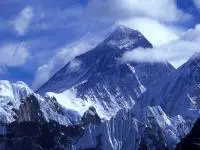
The UN World Heritage Convention, meeting in Christchurch, New Zealand, has been asked to add six sites to its โ€œin-dangerโ€ list . They include the Great Barrier Reef, SagarmathaNational Park (which includes Everest) in Nepal, Belize Barrier Reef, Huascaran National Park in Peru, Waterton-Glacier International Peace Park on the U.S.-Canada border, and Australiaโ€™s Blueย Mountains.

Petitions for the listing, which began in 2004, have attracted high-profile signatories including Everest climber Sir Edmund Hillary and BBC film-maker/naturalist Sir Davidย Attenborough.

The convention was formed in 1972 to ensure the long-term protection of important cultural and natural sites. To date, 184 nations are signatories. Petitioners hope the 21-nation governing committee will acknowledge the threat climate change poses to theย sites.

At last year’s meeting, the World Heritage Committee rejected a motion calling for cuts in greenhouse gas emissions. This year, campaigners want the governing committee to reconsider itsย position.

Related Posts

on

Expert warns that would require 200 billion litres of water and explode Canadaโ€™s emissions.

Expert warns that would require 200 billion litres of water and explode Canadaโ€™s emissions.
on

A member of staff at the firm advocated for AI deregulation at the Reform-linked conference.

A member of staff at the firm advocated for AI deregulation at the Reform-linked conference.
Analysis
on

Albertans pay the highest electricity rates in the country and new gas plants for AI data centres could drive costs up further.

Albertans pay the highest electricity rates in the country and new gas plants for AI data centres could drive costs up further.
on

A new report reveals oil and gas companies knew as early as the mid-1970s that methane fueled climate change while launching massive PR campaigns to promote natural gas as clean energy.

A new report reveals oil and gas companies knew as early as the mid-1970s that methane fueled climate change while launching massive PR campaigns to promote natural gas as clean energy.